


Minimalist décor is more than a design trend—it’s a lifestyle choice that prioritizes clarity, calm, and functionality. A clutter-free home not only looks refined but also supports mental well-being by reducing visual noise. With thoughtful choices and intentional design, you can create a space that feels open, warm, and effortlessly organized.
What Minimalist Décor Really Means
Minimalism isn’t about empty rooms or sterile spaces. It’s about keeping what adds value and letting go of the rest.
At its core, minimalist décor focuses on:
- Purpose-driven design
- Clean lines and open space
- Quality over quantity
- Visual balance and restraint
When every item has a role, your home naturally feels lighter and more inviting.
Start With Decluttering the Right Way
Before decorating, you need to edit what you already own. Decluttering is the foundation of minimalism.
Practical Decluttering Tips
- Remove items you haven’t used in the last year
- Keep surfaces mostly clear
- Store sentimental items out of sight
- Donate or recycle excess décor
Pro tip: Declutter one room at a time to avoid burnout and decision fatigue.
Choose a Calm and Cohesive Color Palette
Color plays a major role in how cluttered or calm a space feels. Minimalist interiors rely on soft, neutral tones that create visual continuity.
Popular Minimalist Color Choices
- White and off-white shades
- Warm beige and taupe
- Soft gray tones
- Muted earth colors
Using a limited palette helps the eye move smoothly through the room, reducing visual chaos.
Invest in Functional, High-Quality Furniture
Minimalist homes favor fewer but better furniture pieces. Each item should serve a clear function while complementing the overall aesthetic.
What to Look For
- Clean silhouettes without heavy ornamentation
- Multi-functional designs (storage beds, nesting tables)
- Durable materials like solid wood or metal
Avoid overcrowding rooms—negative space is just as important as furniture.
Embrace Smart Storage Solutions
Hidden storage keeps everyday necessities out of sight while maintaining accessibility.
Storage Ideas That Work
- Built-in cabinets with flat fronts
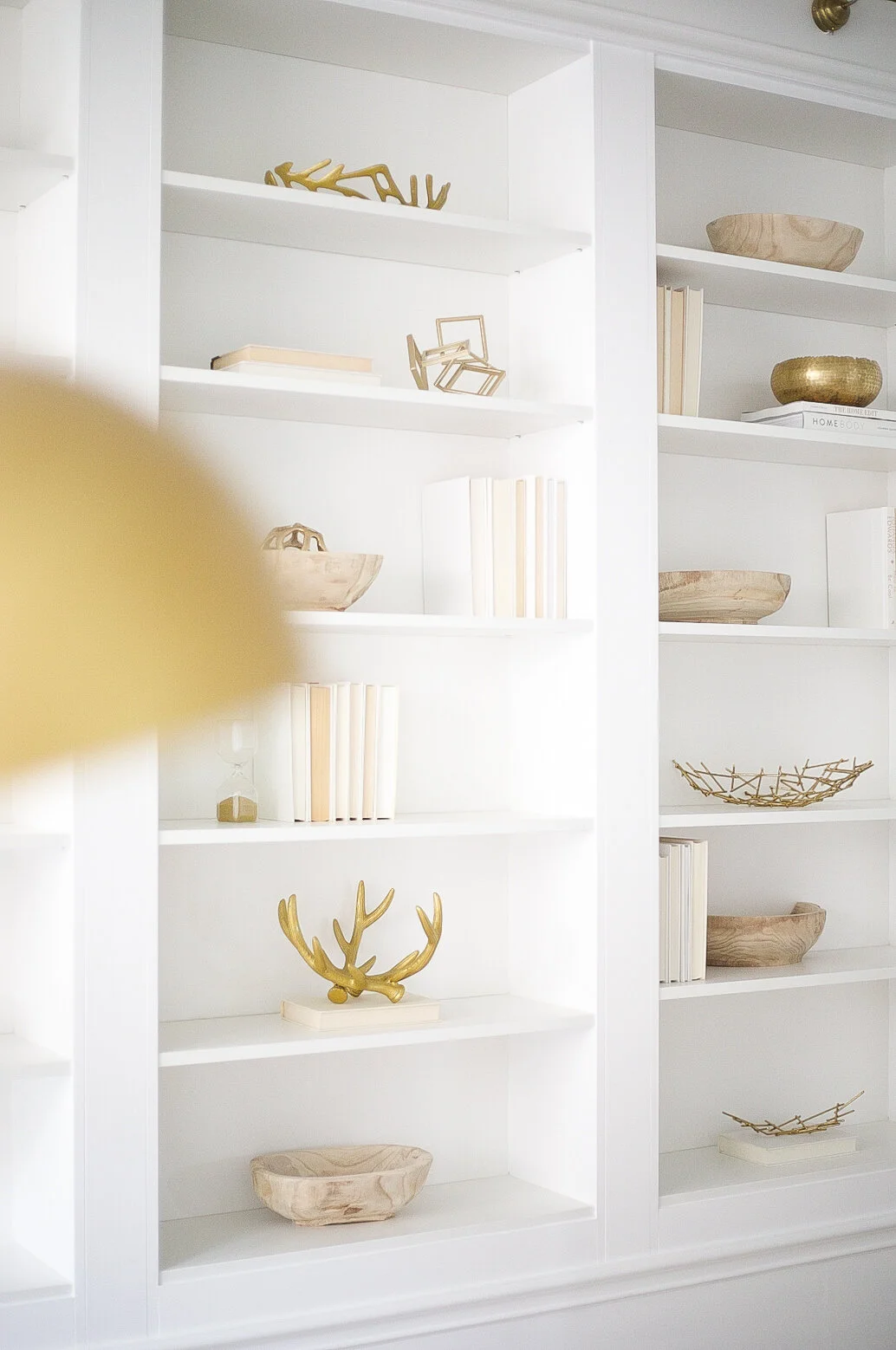
- Floating shelves with minimal styling
- Under-bed storage for seasonal items
- Closed baskets for quick organization
A clutter-free look often comes down to what you don’t see.
Style With Intention, Not Excess
Decorating minimally doesn’t mean decorating less—it means decorating thoughtfully.
Minimalist Styling Guidelines
- Display items in odd-number groupings (1 or 3 works best)
- Leave breathing room between objects
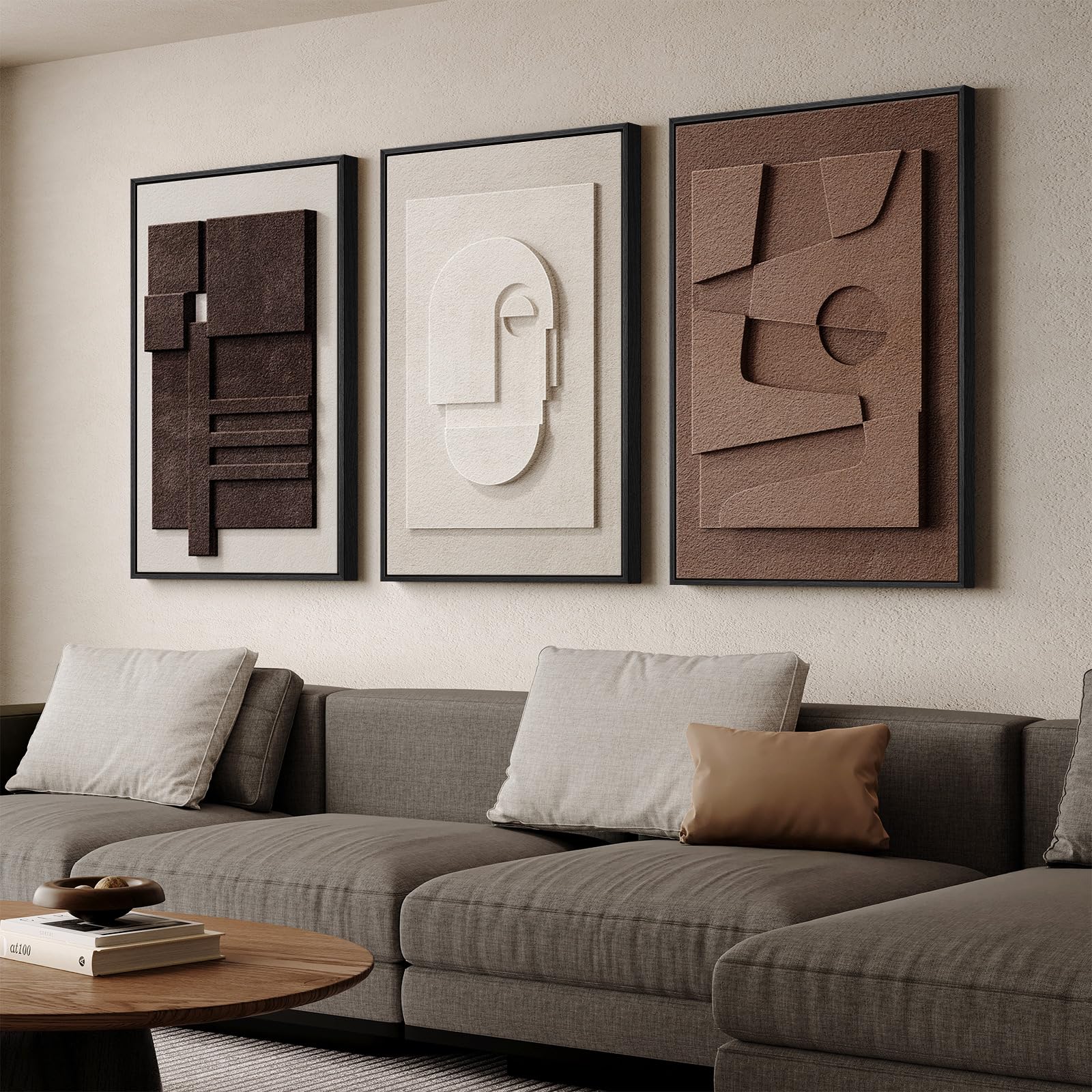
- Choose décor with texture rather than bright color
- Avoid filling every wall or corner
One well-chosen piece can make more impact than ten random ones.
Let Natural Light Take Center Stage
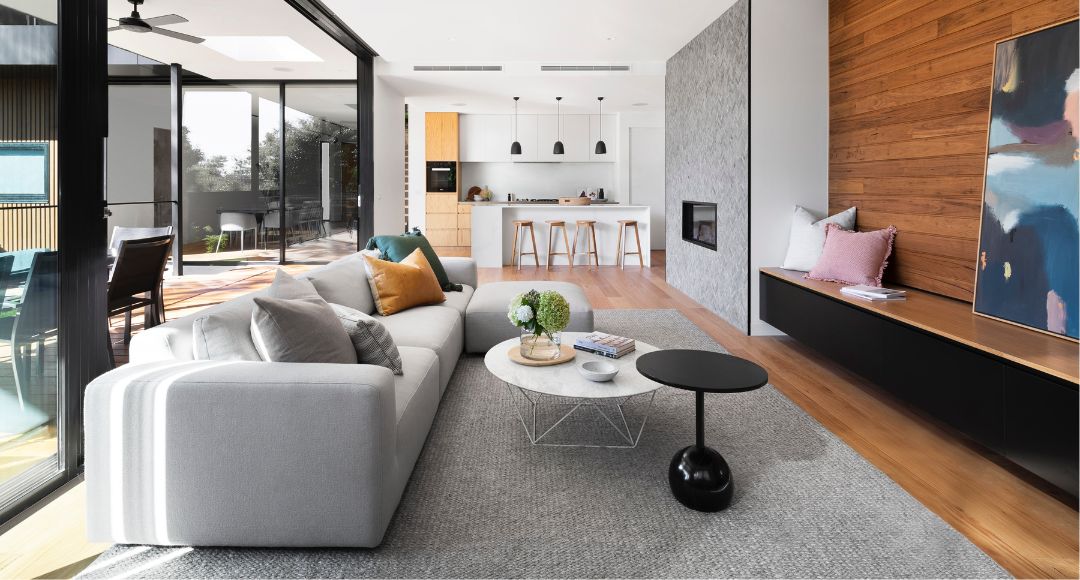
Light enhances the sense of space and openness. Minimalist interiors rely heavily on natural light.
Ways to maximize it include:
- Using sheer or light-filtering curtains
- Keeping windows unobstructed
- Placing mirrors to reflect daylight
- Choosing light-colored walls and floors
The brighter the space, the less cluttered it feels.
Add Warmth With Texture and Materials
To prevent minimalism from feeling cold, layer subtle textures into your design.
Consider incorporating:
- Linen or cotton textiles
- Natural wood finishes
- Stone or ceramic accents
- Soft area rugs
These elements add depth while keeping the look clean and cohesive.
Maintain the Minimalist Mindset Daily
Minimalism works best when it becomes a habit rather than a one-time project.
Simple Maintenance Habits
- Reset rooms at the end of each day
- Avoid impulse purchases
- Apply the “one in, one out” rule
- Regularly reassess what you own
Consistency keeps clutter from creeping back in.
Frequently Asked Questions
1. Can a minimalist home still feel cozy?
Yes. Cozy minimalism focuses on warm colors, soft textures, and natural materials while keeping clutter to a minimum.
2. How do I start minimalism if I have too many things?
Begin with one small area, such as a drawer or shelf. Gradual progress builds confidence and momentum.
3. Is minimalist décor expensive?
Not necessarily. Buying fewer, higher-quality items often saves money long-term and reduces waste.
4. Can minimalism work in small apartments?
Absolutely. Minimalist décor is especially effective in small spaces because it maximizes openness and functionality.
5. How do I decorate walls in a minimalist home?
Use one large artwork, subtle wall textures, or leave walls intentionally bare for a clean, airy feel.
6. What materials work best for minimalist interiors?
Natural materials like wood, linen, stone, and metal are ideal because they age well and add understated character.
7. How do I prevent a minimalist home from looking boring?
Focus on contrast, texture, and thoughtful lighting instead of relying on excess décor.
A minimalist home isn’t about perfection—it’s about intention. By curating your space with care, you create a clutter-free environment that supports clarity, comfort, and everyday ease.
Comments are closed.