


Why Laminate Flooring Gets Damaged
Even though laminate flooring is built to be tough, it isn’t immune to damage. Over time, surface scratches, moisture exposure or furniture movement can leave marks or cause panels to lift. While some issues call for a full replacement, many common problems can actually be fixed with the right tools and a bit of know-how.
If you’ve fitted or are considering laminate flooring in Falkirk, it’s useful to understand how repairs work and which types of damage can be addressed without pulling up the entire floor. From simple surface touch-ups to plank replacement, there are more options than you might expect.
Minor Surface Scratches and Scuffs
Light scratches and surface marks are some of the most common forms of laminate damage. These typically happen from pet claws, moving furniture or grit under shoes. Thankfully, surface blemishes can often be repaired with minimal effort.
You’ll find a number of laminate floor repair kits on the market. These usually include colour-matched wax crayons, putty or touch-up markers designed to fill in scratches and blend with the surrounding area. For best results, start by cleaning the area thoroughly, then apply the product in thin layers and gently buff the surface. Many manufacturers even offer repair kits designed for their specific ranges.
Chips, Dents and Cracks
Deeper damage such as small chips or dents may still be fixable, but the approach is slightly different. Wood filler or laminate putty is typically used here. These products are thicker than those used for surface scratches and can be moulded into the damaged area before being coloured to match.
For cracks along the edge of a plank or joint, pay attention to whether the damage is cosmetic or structural. If the plank is still firmly in place, you can often mask the crack. But if it affects how the flooring locks together, replacement is usually the safer option.
Water Damage and Lifting Edges
Laminate flooring isn’t fully waterproof, and when water seeps into the joints or underneath the surface, it can cause warping or lifting. This type of damage isn’t usually repairable — once the board has swelled or buckled, it loses its original structure. You’ll likely need to remove and replace the affected section.
Prevention is the best approach with water. Always clean up spills quickly, and avoid wet mopping or steam cleaning. If you’re dealing with a small section of water damage, replacement of just a few planks may be enough to restore the appearance and function of the floor.
Replacing Individual Planks
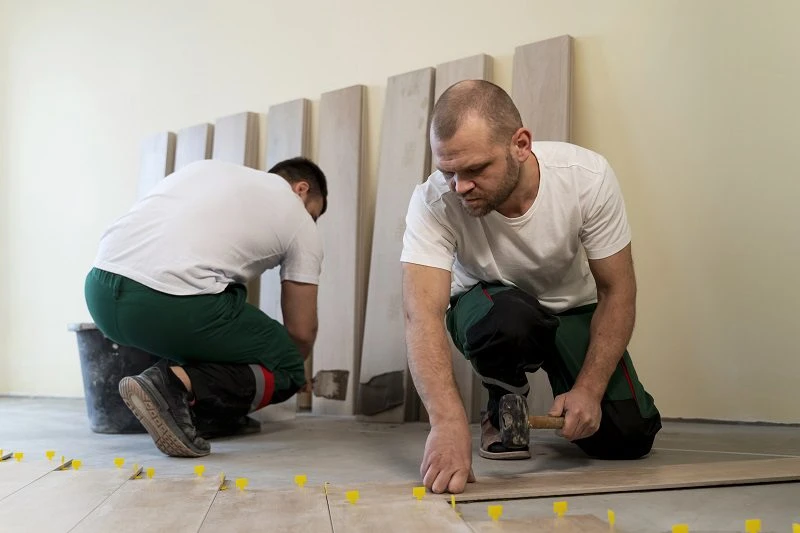
Laminate flooring is often designed to be “floating,” meaning it isn’t glued down. This makes plank replacement more manageable. If the damaged section is near a wall or edge, you can carefully remove the skirting board, lift the planks leading up to the problem area, and swap it out for a new one. The trick is making sure you have a matching replacement from the same batch or product line.
If the damage is in the middle of the room, the process can be more complex. Some installers cut out the damaged plank and glue a replacement in place. While this isn’t the ideal solution for click-lock systems, it can work as a last resort when lifting the whole floor isn’t practical.
How to Avoid Repeat Damage
Regular maintenance can go a long way in preserving laminate flooring. Use felt pads under furniture, clean with soft-bristle brooms or microfibre mops, and keep outdoor shoes off the flooring where possible. Mats in entryways and rugs in high-traffic areas can also protect against excessive wear.
When damage does happen, acting quickly and choosing the right repair method ensures your floor continues to look its best. With the right approach, most issues can be resolved without replacing the entire floor.
Comments are closed.