
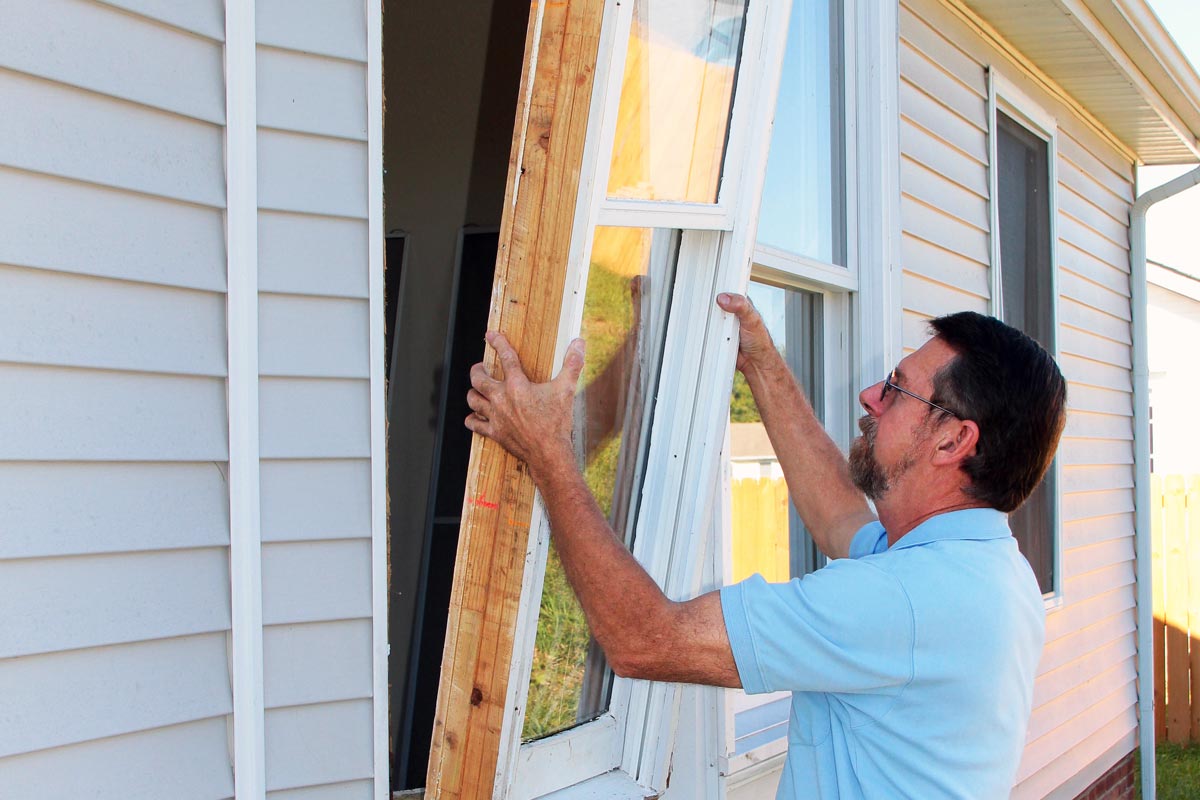

The Art and Science of Choosing the Perfect Window
Understanding Different Window Styles: Function Meets Aesthetics
When it comes to window selection, aesthetics and functionality are two pivotal elements that must seamlessly marry. Windows are not just openings to the exterior; they are statements that contribute to the architectural individuality of your home. Whether you are going for a classic style, a modern minimalist look, or a farmhouse aesthetic, understanding the various window styles available can help you make an informed decision. Common styles include single-hung, double-hung, casement, picture, and slider windows, each offering distinct features. For instance, double-hung windows are revered for their versatility and ease of cleaning, while casement windows are favored for their superior ventilation capabilities. Moreover, the choice of style should complement the overall facade of your home. Investigating local architectural trends can also provide insight into which styles might enhance your home’s curb appeal without clashing with its surroundings.
The Impact of Material Selection: Wood, Vinyl, and Beyond
The material of your windows can substantially impact their performance, longevity, and maintenance requirements. Traditionally, wood has been celebrated for its aesthetic appeal, lending a classic and warm feel to homes. However, it requires regular maintenance to prevent rot and warping, making it less favorable for some homeowners. On the other hand, vinyl windows have gained immense popularity due to their durability, energy efficiency, and minimal upkeep. They won’t fade or warp and are resistant to moisture, making them an excellent choice for varying climates. Aluminum windows also offer strength and a slender profile but are less energy-efficient unless thermally broken. Fiberglass windows, a relatively newer option, boast impressive insulation properties and can mimic the look of wood, providing the benefits of both materials. Each material comes with its pros and cons, and understanding them is essential for making a decision that aligns with your specific needs and preferences.
Energy Efficiency 101: What to Look For in a New Window
In today’s environmentally conscious market, energy efficiency has become a paramount consideration when selecting new windows. Energy-efficient windows minimize heat transfer, keeping your home warmer in the winter and cooler in the summer, which can significantly lower your energy bills. Look for windows with dual or triple-pane glass that contains argon or krypton gas fills, which enhance thermal insulation. A critical metric to consider is the U-factor, which measures how effective a window is as an insulator—the lower the U-factor, the better the window performs in terms of insulation. You should also review the solar heat gain coefficient (SHGC), which tells you how effectively a window blocks heat from sunlight. Windows labeled with ENERGY STAR® certification have met stringent energy efficiency guidelines set by the U.S. Environmental Protection Agency. Investing in energy-efficient windows may have higher upfront costs, but the long-term savings on energy bills, coupled with potential tax credits, can make them worthwhile.
Mastering the Installation Process: Tips from the Pros
Tools of the Trade: Must-Haves for a Flawless Installation
A successful window installation hinges on proper preparation and the right tools. Before you even commence your project, ensure that you have a complete toolkit at your disposal. Essential tools include a level to ensure your windows are perfectly straight, a measuring tape for precise sizing, a utility knife for cutting back old caulk, and a pry bar for removing old window frames. A drill is crucial for securing your new windows and a caulking gun to apply sealant is a necessity to prevent air leaks. Additionally, safety equipment such as goggles and gloves should be worn to protect yourself during the installation. If you’re dealing with a larger or multiple-window installation, a partner can help ease the process, ensuring each window is adequately placed while preventing excessive strain on your muscles. Familiarizing yourself with these tools and their appropriate use can make the complex task of window installation much more manageable.
Step-by-Step Guide: Navigating Your DIY Installation Journey
Window installation and replacement might seem daunting, but by breaking the process down into manageable steps, you can execute the installation with confidence. Start by measuring your existing window frame accurately before purchasing your replacement windows. Once you have your new windows, the installation can begin. First, remove the existing window by carefully inserting a pry bar to detach it from the frame without damaging the surrounding area. Clean the opening thoroughly and inspect for any damage that may need repair before proceeding. After preparing the opening, place the new window into the frame, ensuring it is level and square; adjust as necessary. Utilizing shims can help maintain alignment during the installation process. Secure the window in the frame with screws, typically provided with your new window, and ensure that it is tightly sealed with weather stripping to keep out drafts. Finally, apply a bead of caulk around the exterior edges to prevent water intrusion. Following these precise steps can yield a professional-looking installation and enhance your home’s overall energy efficiency.
Common Pitfalls: What to Avoid for a Successful Installation
While installing windows can be rewarding, there are several common pitfalls that inexperienced installers often face. One of the most critical mistakes is improper measurement; an exact fit is essential for a successful installation. Measure twice and cut once is a golden rule in window installation. Additionally, failing to account for the framing and surrounding structure can lead to gaps and misalignment, affecting both performance and aesthetics. Another pitfall is rushing through the sealing process; air leaks can result in decreased energy efficiency and recurring costs down the road. Also, neglecting to check for existing structural problems, such as rotting wood, can create future issues with your new windows. Lastly, many DIY installers forget to adhere to local building codes and regulations, leading to potential fines or the need for costly rework. Avoiding these common mistakes will bolster your confidence and save you time and money in the long run.
Window Replacement Chaos: Knowing When It’s Time
Signs Your Windows Need Replacing: A Closer Look
Determining the right time to replace your windows can be challenging, but there are several telltale signs that can help guide your decision. Start by monitoring performance indicators; if you find drafts in your home, it may signal that your windows are no longer properly sealed. Breakage, whether in the form of cracks, shattered glass, or warped frames, is another glaring sign that replacement is necessary. Additionally, if you notice an increase in your energy bills without a corresponding increase in usage, it may be time to consider energy-efficient replacements, as older windows can leak significant amounts of heat or air conditioning. Aesthetically, faded and peeling finishes can detract from your home’s curb appeal, serving as another indication that an upgrade is overdue. Lastly, consider the age of your windows—most commonly installed windows last approximately 20-25 years, so if yours are approaching or surpassing this age range, it may be beneficial to invest in new ones.
The Financial Side: Cost vs. Value of Window Replacement
When considering window replacement, understanding the financial implications is vital. The initial costs can be daunting; however, it’s essential to weigh these costs against the long-term value they bring. On average, homeowners can expect to pay anywhere between $300 to $1,500 per window, depending on the size, material, and style chosen. While this upfront investment can be significant, the return on investment (ROI) is worth considering. According to Remodeling Magazine’s Cost vs. Value report, window replacement often recoups over 70% of its cost at resale, making it one of the top home improvement projects. Additional benefits include enhanced energy savings, increased comfort, and bolstered curb appeal. Furthermore, investing in high-quality, energy-efficient windows can lead to substantial monthly savings in heating and cooling costs. Comparing the enduring value and aesthetic enhancement provided by new windows with the financial investment supports making the decision to move forward with replacement.
Environmental Considerations: Sustainable Choices in Replacement
As sustainability becomes increasingly vital in consumer choices, window replacement also offers an opportunity to make environmentally conscious decisions. Selecting windows that contribute positively to your home’s energy efficiency can significantly lower energy consumption. Opt for products that are made from sustainably-sourced materials or those that are engineered to minimize waste during production. Look for windows with low-emissivity (low-E) coatings, which help regulate solar heat gain without compromising natural light. Additionally, consider windows produced by manufacturers that adhere to environmentally friendly practices, such as factory recycling programs or certifications like Forest Stewardship Council (FSC) for wood products. Lastly, investing in ENERGY STAR® certified windows not only reduces your carbon footprint by using less energy, but these products also feature eco-friendly manufacturing processes. The choices made during replacement are opportunities to not only enhance your home but also contribute positively to global environmental efforts, ensuring that your home is part of the solution rather than the problem.
Maintenance Matters: How to Ensure Longevity of Your Windows
Seasonal Checks: Keeping Your Windows in Top Condition
Once you have successfully installed new windows, ensuring their longevity is pivotal. Seasonal checks are essential in identifying any potential issues before they escalate. In the spring, inspect your windows for any moisture accumulation, drafts, or condensation between the glass panes, which can signal seal failure. During summer, ensure that frames are well-sealed to prevent heat transfer and that screens are intact to keep out pesky bugs. In fall, it’s vital to clean and inspect the exterior of your windows for any debris or leaves that might accumulate and create moisture issues. Winter checks should focus on ensuring your windows are adequately insulated and avoid significant condensation inside that could lead to mold growth. Regular upkeep, including re-caulking and lubricating mechanisms, is key to extending the lifespan of your windows and maintaining their effectiveness.
Cleaning Techniques: Achieving Sparkling Windows Without Damage
Maintaining the clarity and transparency of your windows is crucial not only for aesthetics but also for optimizing natural light within your home. Regular cleaning is essential, but it should be done with care to avoid damage. When cleaning, avoid abrasive materials that could scratch the glass; instead, utilize a soft cloth or sponge with a gentle window cleaning solution or a mix of warm water and dish soap. For interiors, a microfiber cloth is ideal, while for the exteriors, consider utilizing a squeegee for a streak-free finish. If your windows are difficult to reach, a professional window cleaning service can be a worthy investment, providing safekeeping while ensuring shine without risk. Additionally, avoid cleaning your windows in direct sunlight, as this can lead to expedited drying and streaking. Building a window cleaning routine as part of your seasonal checks will protect your investment and maintain the beauty and functionality of your windows.
Upgrades and Enhancements: Taking Your Windows to the Next Level
After installation, consider how upgrades can further enhance the aesthetics and functionality of your windows. One popular trend is adding window films, which serve several purposes; they can enhance privacy, reduce glare, and boost energy efficiency without sacrificing natural light. Another option is installing insulating window treatments like cellular shades, which can provide additional energy savings and comfort. You might also explore window grids or decorative grilles that can add a customized look to your windows, enhancing their character and style. For outdoor aesthetics, incorporating window boxes with flowers or planters can elevate your home’s curb appeal. Ultimately, exploring these enhancements not only adds to the visual appeal but could also improve energy efficiency, comfort, and overall enjoyment of your living space.
FAQ
Question: What tools should I have before starting window installation? – Before starting your window installation, essential tools include a level, measuring tape, utility knife, pry bar, drill, caulking gun, and safety equipment such as goggles and gloves. Having these tools ready ensures a smoother installation process.
Question: How can I tell if my windows are energy-efficient? – To determine if your windows are energy-efficient, look for labels indicating dual or triple-pane glass, low U-factor ratings, and ENERGY STAR® certification. These features indicate better insulation and lower energy costs.
Question: Is it necessary to hire a professional for window installation? – While many homeowners opt for DIY installations, hiring a professional can ensure that the job is done correctly and complies with local building codes. Professionals bring experience that can prevent costly mistakes.
Question: How often should I inspect my windows for issues? – It’s advisable to inspect your windows seasonally, checking for moisture accumulation, drafts, and overall condition to catch any problems early and maintain their effectiveness.
Question: What are some signs that my windows need to be replaced? – Signs that windows may need replacing include noticeable drafts, cracks in the glass, increased energy bills, aesthetic issues such as fading or peeling, and if the windows are around 20-25 years old.
Question: How can I maintain my windows after installation? – Regular maintenance includes seasonal inspections, re-caulking as necessary, lubricating moving parts, and following proper cleaning techniques to prevent damage.
Question: Can window upgrades significantly impact energy efficiency? – Yes, upgrades like window films, insulating treatments, and modern window designs can greatly enhance energy efficiency, leading to lower heating and cooling costs.
Question: What should I consider when choosing window materials? – When selecting window materials, consider factors like durability, maintenance needs, aesthetic appeal, and energy efficiency. Wood, vinyl, fiberglass, and aluminum each have their pros and cons that suit different preferences and climates.
Useful Resources
- S. Department of Energy – Energy Efficiency
- ENERGY STAR – Efficient Products
- Green Building Advisor – Sustainable Practices
- ASHRAE – Energy Efficiency Standards
- NAIOP – Commercial Real Estate Development
- World Wildlife Fund – Environmental Conservation
- HGTV – Home Improvement Tips
- Family Handyman – DIY Home Projects
Comments are closed.