
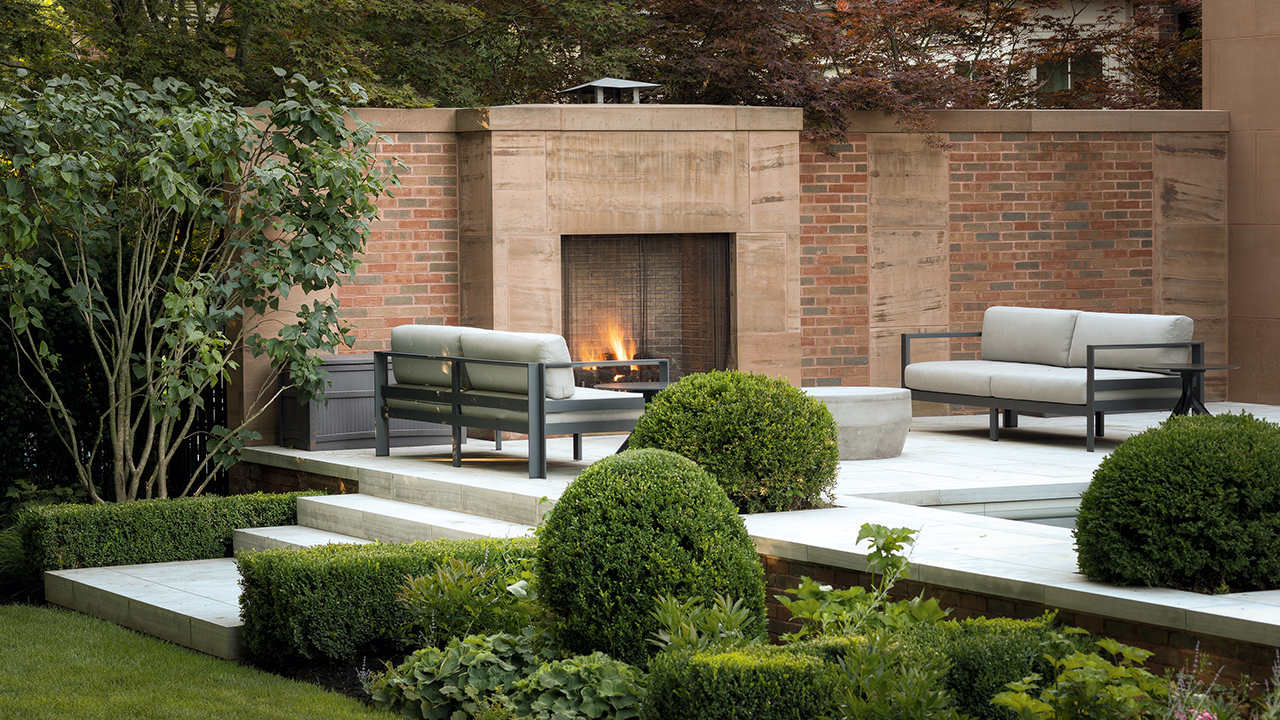

Limited space doesn’t mean limited possibilities. With thoughtful plant selection and smart layout choices, small gardens can be just as lush and productive as larger ones. Whether you’re gardening on a balcony, patio, or compact backyard, choosing the right plants helps you maximize beauty, harvests, and ease of care.
What Makes a Plant Ideal for Small Spaces
Not all plants are suited for tight areas. The best options share a few key traits that make them easy to manage and visually appealing.
- Compact or dwarf growth habits
- Ability to thrive in containers
- Vertical or upright growth instead of spreading
- Low-maintenance care requirements
Best Vegetables for Small Gardens
Growing food in a small space is both rewarding and practical when you choose compact varieties.
Leafy Greens
Leafy greens grow quickly and don’t require deep soil.
- Lettuce
- Spinach
- Arugula
- Swiss chard
They can be harvested multiple times, making them highly productive in limited space.
Compact Fruiting Vegetables
Some vegetables are bred specifically for containers and tight areas.
- Cherry tomatoes
- Bush beans
- Peppers
- Eggplant varieties labeled as dwarf or patio
Best Herbs for Small Garden Spaces
Herbs are perfect for small gardens because they are compact, fragrant, and useful.
- Basil
- Thyme
- Mint (best grown in containers)
- Chives
- Parsley
Many herbs thrive in pots on windowsills or balconies and require minimal space.
Best Flowering Plants for Small Gardens
Flowers bring color and life to compact gardens without overcrowding.
Compact Annuals
These flowers bloom quickly and stay manageable.
- Petunias
- Pansies
- Marigolds
- Begonias
Small Perennials
Perennials return year after year while staying space-efficient.
- Lavender
- Dwarf roses
- Coneflowers
- Coreopsis
Best Plants for Vertical Gardening
Vertical gardening is a powerful way to expand growing space upward instead of outward.
- Climbing beans
- Cucumbers on trellises
- Peas
- Ivy or flowering vines
Using trellises, wall planters, or hanging baskets allows you to grow more without crowding the ground.
Low-Maintenance Plants for Tight Areas
If time and space are limited, low-care plants make gardening more enjoyable.
- Succulents
- Snake plant
- ZZ plant
- Ornamental grasses
These plants tolerate neglect and adapt well to containers or confined beds.
Tips for Maximizing Small Garden Spaces
Smart design matters just as much as plant choice.
- Use raised beds and containers
- Combine plants with similar water and sunlight needs
- Prune regularly to control size
- Choose light-colored pots to reduce heat stress
Conclusion
Small gardens thrive when space-efficient plants are paired with thoughtful planning. By selecting compact vegetables, versatile herbs, colorful flowers, and vertical growers, you can transform even the smallest area into a productive and inviting garden. With the right choices, size becomes an advantage rather than a limitation.
Frequently Asked Questions (FAQs)
1. Can I grow fruit plants in a small garden?
Yes, dwarf fruit trees and berry plants can grow well in containers or compact beds.
2. How much sunlight do small-space gardens need?
Most plants need at least 4–6 hours of sunlight, but shade-tolerant options are available.
3. Are containers better than ground planting for small spaces?
Containers offer more flexibility and control, especially in balconies or patios.
4. How do I prevent overcrowding in a small garden?
Follow spacing guidelines, prune regularly, and avoid planting too many varieties at once.
5. What soil is best for container plants?
Use high-quality potting mix rather than garden soil to ensure proper drainage.
6. Can indoor plants be grown outdoors in small gardens?
Some indoor plants adapt well outdoors in warm seasons, but they must be acclimated gradually.
7. How often should small-space plants be fertilized?
Container plants usually need more frequent feeding, typically every 2–4 weeks during growth.
Comments are closed.