


Going back home after a disaster in Pinellas County can be overwhelming, but focusing on safety can help make the process easier.
In case of emergency assistance, you may turn to a FEMA restoration contractor Tarpon Springs to receive guidance. Alpine Exterior Contractor is a disaster recovery company that assists homeowners in overcoming the challenges of post-disaster conditions and restores property safely and correctly.
The following are a few things to know before you reenter your home.
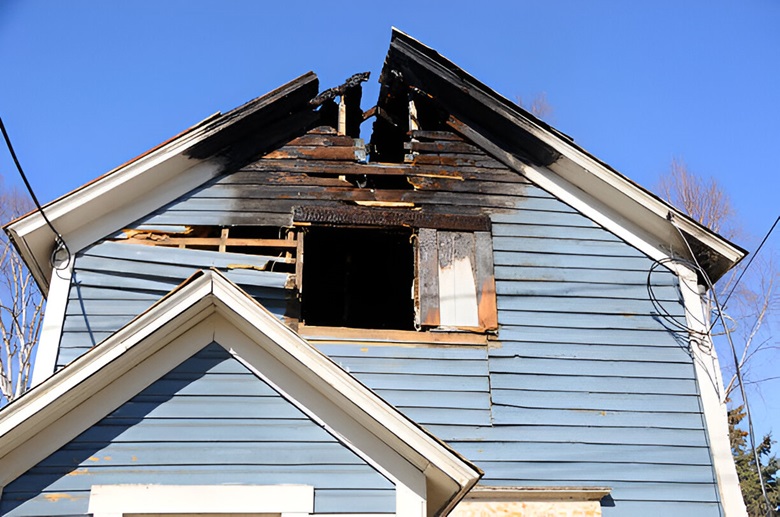
Assess Exterior Hazards First
Take an external check of your house before entering:
- Look for structural damage – Broken walls, bent walls, or roof damage may render the building unsafe.
- Check for utility hazards – Avoid downed power lines, gas leaks, or broken water lines. In case of a gas smell, leave at once and dial emergency services.
- Watch for wildlife – The floodwaters may propel snakes, rodents, and insects out; be careful.
In case something appears to be shaky, wait until a professional checks it.
Enter with Caution
After being given clearance to enter, be cautious:
- Turn off utilities – Switch off electricity and water until an expert checks them.
- Check for sagging ceilings or floors – Entrapped water may make structures weaker, causing a collapse.
- Ventilate the space – To prevent the growth of mold and to get rid of fumes, open the doors and windows.
To protect yourself against exposure to the contaminants, wear rubber boots, gloves, and an N95 mask.
Handle Mold and Contamination
It takes 24-48 hours for a flooded house to grow mold.
To reduce health risks:
- Remove soaked materials – Remove flooded carpets, drywall, insulation, and furniture that cannot be dried.
- Clean hard surfaces – Non-porous surfaces and countertops can use soap and hot water.
- Avoid bleach – It cannot keep mold at bay and produces dangerous vapors when combined with other chemicals.
In severe cases (more than 10 square feet), seek a FEMA restoration contractor Tarpon Springs to perform safe removal.
Dispose of Hazardous Items Properly
Household items, when flooded, become hazardous to retain.
- Toss exposed food and medicine – Even closed containers can be spoiled.
- Discard waterlogged mattresses and stuffed toys – They can contain mold and bacteria.
- Handle chemicals carefully – Contact local authorities to dispose of propane tanks, fuel cans, or other dangerous materials found.
Prevent Carbon Monoxide Poisoning
Gas-powered tools and generators are a lifesaver, but lethal when abused:
- Never run generators indoors – Store them in the air, not in the windows or vents.
- Avoid gas ovens for heat – This might cause carbon monoxide poisoning.
- Install CO detectors – If there are alarms, exit and dial 911.
Document Damage for Insurance
Before cleaning up, perform the following steps to get your insurance claim:
- Photograph all damage – Photograph damage to the structure, destroyed property, and the water level.
- Keep receipts – Keep repair bills, shelter bills, and material bills.
- Contact your insurer promptly – Late claims may be difficult to get.
Final Thoughts
Coming home after a disaster is a long process. Whether you inspect for structural instability or prevent mold growth, all steps will help keep your family safe. In-depth repair, Alpine Exterior Contractor can help with restoration services.
Comments are closed.